 Image 1 of 4
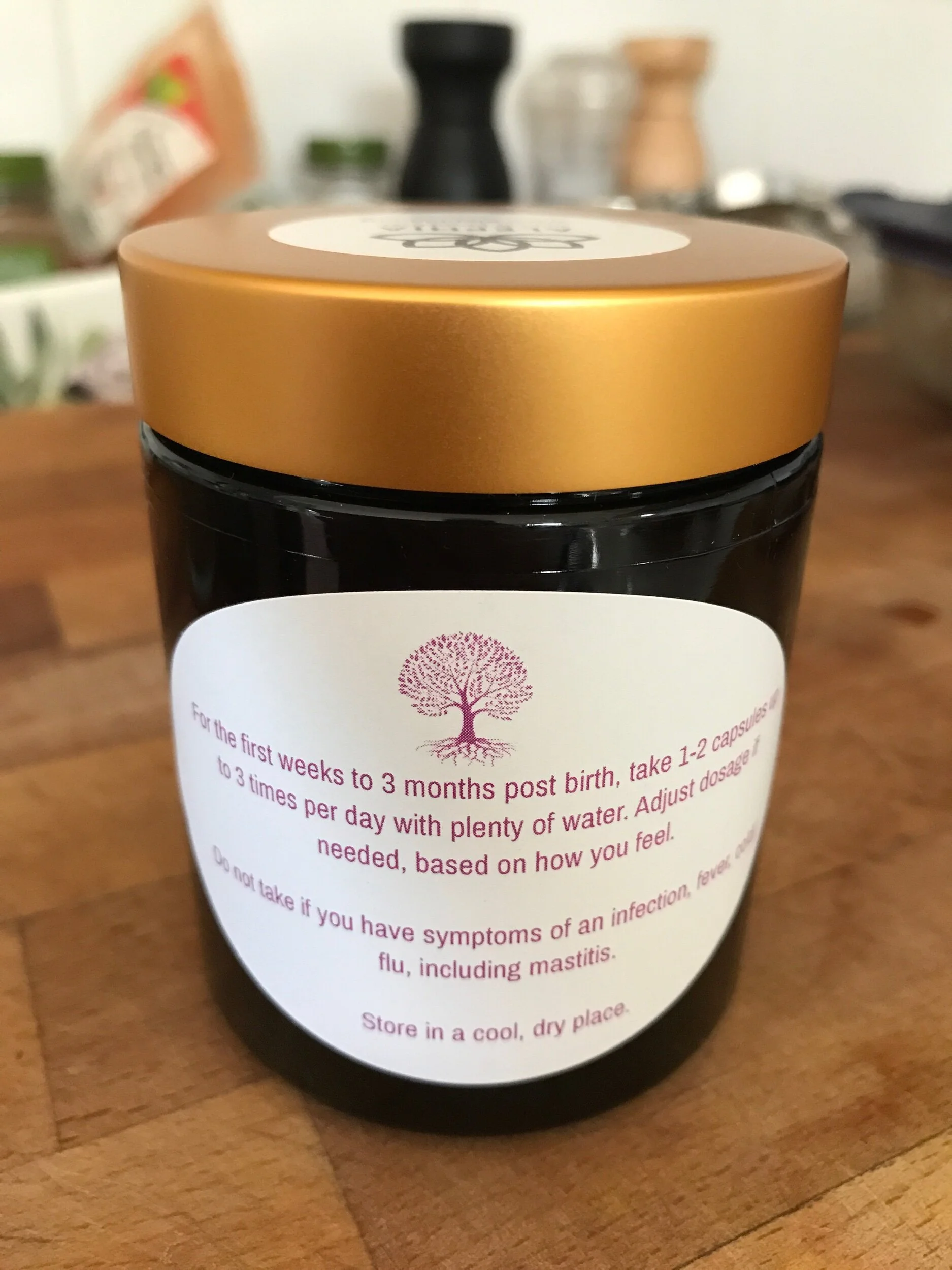 Image 2 of 4
 Image 3 of 4
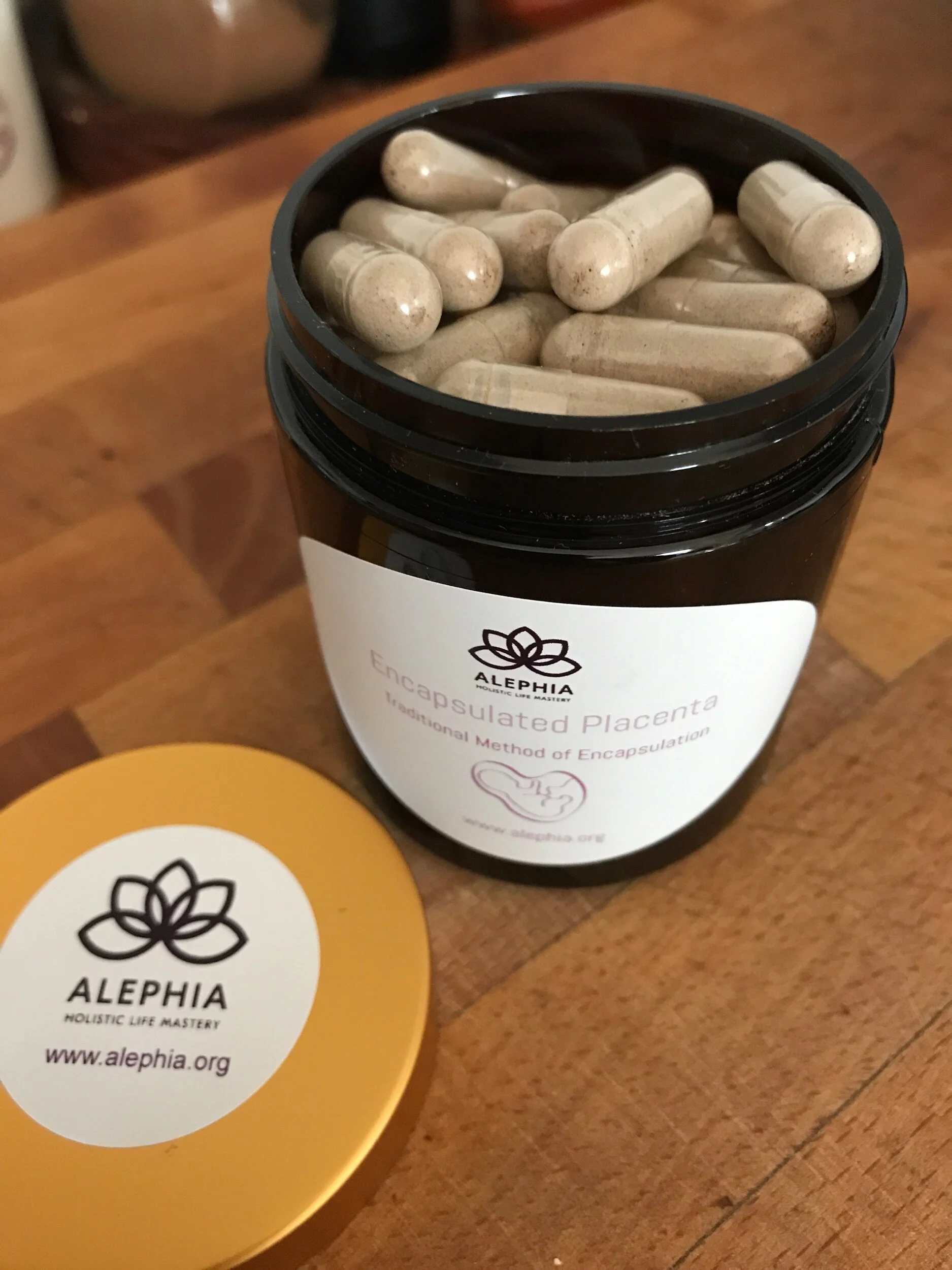 Image 4 of 4
Placenta Encapsulation Sydney | Traditional Method | Postpartum Service
Placenta encapsulation, also known as placentophagy, is the practice of processing a placenta after birth and placing the prepared placenta into capsules for personal postpartum use. I provide a personalised placenta encapsulation service in the Sydney NSW region, including placenta collection, preparation, processing, encapsulation and delivery of the finished capsules. The method I use is inspired by the Traditional Chinese Medicine (TCM) method of placenta encapsulation, which incorporates steaming before dehydration, grinding and encapsulation.
Traditional Chinese Medicine-Inspired Placenta Encapsulation
The traditional method of placenta encapsulation includes a steaming stage before the placenta is dehydrated and processed. Traditional Chinese Medicine has its own theories around postpartum recovery, including the concepts of yin, yang, qi and nourishment following childbirth. The steaming component of this placenta encapsulation method is traditionally viewed as a warming preparation. My service follows this traditional-inspired approach:
The placenta is collected following birth. It is thoroughly cleaned & then steamed. It is sliced and dehydrated. The dried placenta is ground into a powder and the powder is placed into plant-based capsules. The finished placenta capsules are packaged in a sealed container and returned to you.
Placenta Encapsulation Benefits
Placenta encapsulation is chosen by some mothers as part of their personal postpartum traditions and self-care practices. People who choose placenta encapsulation may do so because they are interested in the traditional use of placenta after birth, postpartum rituals, or the nutritional and hormonal components naturally present in placental tissue. It is important to note that scientific evidence supporting specific health benefits of human placentophagy remains limited. Claims that placenta capsules can prevent postpartum depression, increase milk supply, replenish iron or accelerate physical recovery have not been adequately established by clinical research. (PubMed) Placenta encapsulation should therefore be considered a personal choice and not a substitute for medical care, nutritional support, lactation support or treatment for postpartum mental health conditions.
What Is in the Placenta?
The placenta is a temporary organ that develops during pregnancy and plays an important role in supporting the developing baby. Placental tissue contains a range of biological components, including hormones, proteins and minerals. However, the presence of these components does not necessarily mean that consuming processed placenta provides a proven health benefit. For this reason, I focus on providing a carefully described placenta encapsulation service rather than making therapeutic claims about what placenta capsules can treat or prevent.
Plant-Based Placenta Capsules
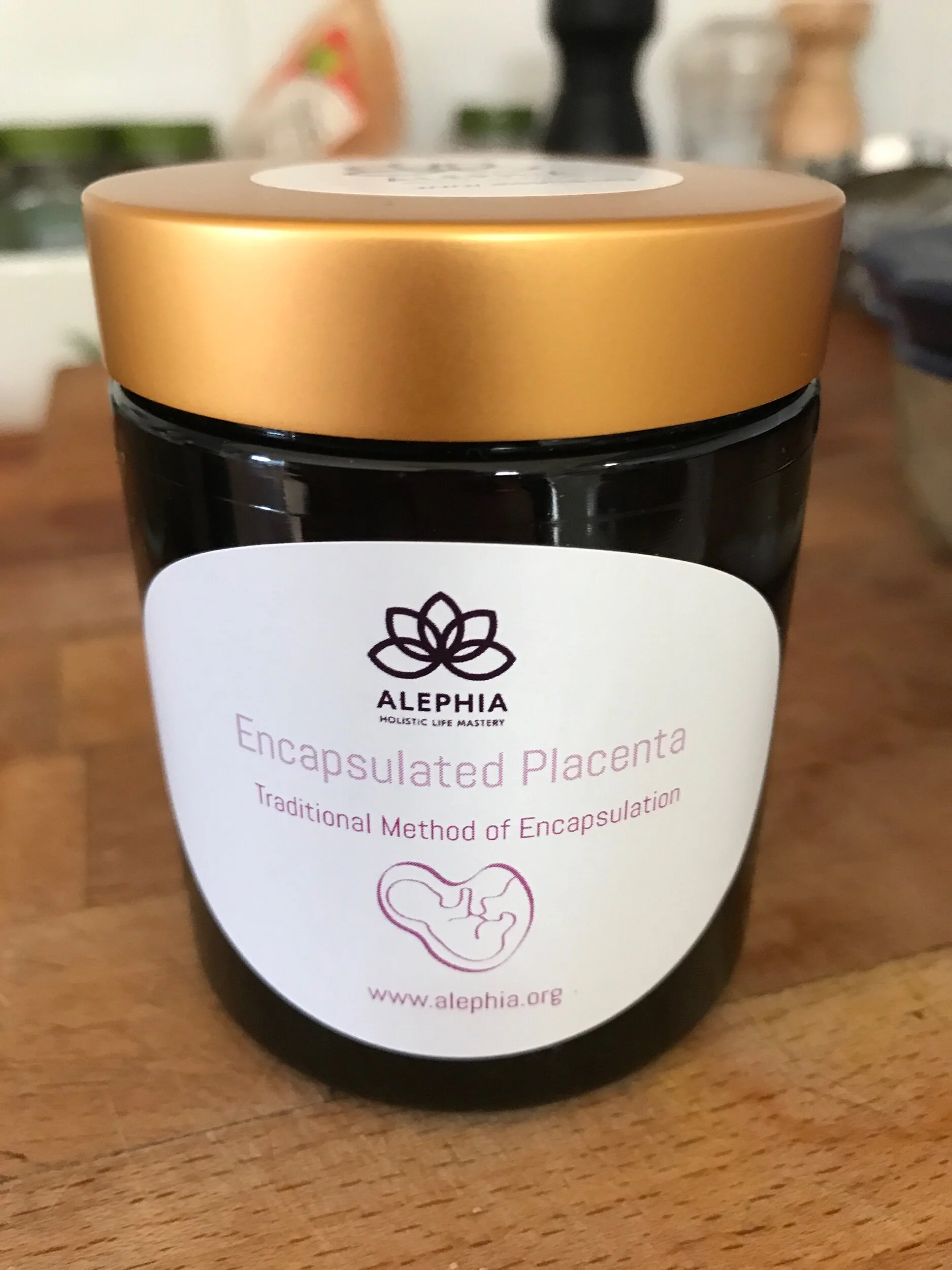
The processed placenta is placed into 100% plant-based vegetable capsules. The capsules are made from plant cellulose and purified water and contain no animal-derived ingredients.
Gluten-free
Dairy-free
Preservative-free
Free from animal-derived capsule ingredients
The capsules are manufactured according to the manufacturer's stated quality standards.
An average placenta may produce approximately 80–150 capsules, although the final number varies depending on the size and characteristics of the placenta and the processing method.
Placenta Collection in Sydney
The placenta needs to be kept appropriately chilled following birth. After delivery, place the placenta in a suitable sealed container and keep it refrigerated or surrounded by ice. Contact me as soon as possible after the birth so that collection can be arranged. I provide placenta collection within the Sydney NSW region. Once I have been notified of the birth by text or phone, I will arrange collection as soon as practical. The placenta is then processed using the Traditional Chinese Medicine-inspired method. The finished placenta capsules are generally delivered within 24–48 hours, subject to collection timing and processing requirements.
Placenta Storage After Birth
The placenta should be kept cold after birth and should not be left at room temperature for extended periods. Please follow the storage and handling instructions provided by your maternity care team and contact me as soon as possible following delivery to arrange collection.
Placenta Capsule Storage
Finished placenta capsules should be kept in a cool, dry place, such as a pantry, and protected from heat and moisture. For longer-term storage, refrigeration or freezing can be used according to the storage instructions supplied with your capsules.
Placenta Cord Keepsake
If you would like your baby's dried umbilical cord to be kept as a keepsake, please let me know when booking. The dried cord can be returned separately rather than included with the placenta capsules.
Placenta Encapsulation Pricing
Placenta encapsulation: $275.
The price includes:
Preparation and encapsulation of your placenta
Placenta collection within the Sydney NSW service area
Sealed storage container for your capsules
Written storage and handling instructions
Guidelines for taking your capsules
Delivery of the finished capsules
A $50 deposit is required when booking to confirm your service.
The remaining balance of $225 is payable two weeks before your estimated delivery date by cash or bank transfer.
Service Area
Sydney NSW region only.
Important Information About Placenta Encapsulation
Placenta encapsulation involves processing human tissue for personal consumption. Current scientific evidence does not establish that placenta consumption provides the specific postpartum health benefits sometimes claimed for it. (PubMed)There are also potential infection risks associated with consuming processed placenta, and processing methods are not universally standardised. The CDC has reported a case involving possible transmission risk associated with contaminated placenta capsules. (CDC Stacks)For this reason, placenta encapsulation should be an informed personal decision. If you or your baby have an infection, or if you have concerns about GBS, chorioamnionitis or other complications during pregnancy or birth, discuss placenta consumption with your doctor, midwife or other qualified healthcare professional before proceeding.Placenta capsules are not intended to diagnose, treat, cure or prevent any medical condition and should not replace appropriate postpartum medical, mental health or lactation care.
Book Placenta Encapsulation in Sydney
If you are considering placenta encapsulation in Sydney, I can provide further information about the traditional-inspired process, placenta collection, storage requirements, pricing and booking.
Contact: Nicole
Email:nicole@alephia.org
Placenta Encapsulation FAQ
What is placenta encapsulation?
Placenta encapsulation is the process of preparing a placenta after birth, dehydrating and grinding it, and placing the resulting powder into capsules. It is also commonly referred to as placentophagy.
What is the Traditional Chinese Medicine method of placenta encapsulation?
The Traditional Chinese Medicine-inspired method includes steaming the placenta before dehydration. The method is inspired by traditional Chinese postpartum practices and theories around warming and nourishment after childbirth.
How does placenta encapsulation work?
After collection, the placenta is cleaned, steamed, sliced, dehydrated and ground into a powder. The powder is then placed into plant-based capsules and packaged for the client.
How many placenta capsules will I receive?
An average placenta can produce approximately 80–150 capsules, although the final number varies depending on the size of the placenta and the processing process.
Do you collect placentas in Sydney?
Yes. Placenta collection is available within the Sydney NSW region. Contact me as soon as possible after birth so that collection can be arranged.
How should my placenta be stored after birth?
The placenta should be kept cold immediately after birth, either refrigerated or appropriately surrounded by ice, until it can be collected. Contact your maternity care provider if you are unsure about appropriate placenta storage.
How quickly will I receive my placenta capsules?
Once collection has been arranged, the finished capsules are generally delivered within 24–48 hours, depending on collection and processing timing.
Are the placenta capsules vegan?
The capsule shells are plant-based vegetable capsules made from plant cellulose and purified water. They contain no animal-derived capsule ingredients.
Are placenta capsules proven to provide postpartum health benefits?
There is currently limited scientific evidence supporting specific health benefits from consuming encapsulated human placenta. Research has not established that placenta capsules prevent postpartum depression or reliably increase milk supply. (PubMed)
Can placenta capsules increase breast milk supply?
Increased milk production is one of the commonly promoted reasons for placenta consumption, but there is not sufficient clinical evidence to establish that placenta capsules increase breast milk supply. (PubMed)
Can placenta capsules help with postpartum depression?
Although postpartum depression is sometimes listed as a reason for placenta consumption, there is insufficient evidence that placenta capsules prevent or treat postpartum depression. Anyone experiencing symptoms of postpartum depression should seek appropriate medical or mental health support. (PubMed)
Is placenta encapsulation safe?
Safety depends on factors including how the placenta is handled, stored and processed. There are documented concerns about potential bacterial contamination, and placenta processing does not necessarily eliminate infectious pathogens. (CDC Stacks)If you or your baby experienced an infection or other medical complication around birth, speak with your doctor or midwife before considering placenta consumption.
Can I keep my baby's umbilical cord?
Yes. If you would like the dried umbilical cord preserved as a keepsake, please let me know when booking.
How much does placenta encapsulation cost in Sydney?
The placenta encapsulation service costs $275. A $50 deposit is required at booking, with the remaining $225 payable two weeks before the estimated delivery date.
Where do you provide placenta encapsulation?
The service is available in the Sydney NSW region.
Placenta encapsulation, also known as placentophagy, is the practice of processing a placenta after birth and placing the prepared placenta into capsules for personal postpartum use. I provide a personalised placenta encapsulation service in the Sydney NSW region, including placenta collection, preparation, processing, encapsulation and delivery of the finished capsules. The method I use is inspired by the Traditional Chinese Medicine (TCM) method of placenta encapsulation, which incorporates steaming before dehydration, grinding and encapsulation.
Traditional Chinese Medicine-Inspired Placenta Encapsulation
The traditional method of placenta encapsulation includes a steaming stage before the placenta is dehydrated and processed. Traditional Chinese Medicine has its own theories around postpartum recovery, including the concepts of yin, yang, qi and nourishment following childbirth. The steaming component of this placenta encapsulation method is traditionally viewed as a warming preparation. My service follows this traditional-inspired approach:
The placenta is collected following birth. It is thoroughly cleaned & then steamed. It is sliced and dehydrated. The dried placenta is ground into a powder and the powder is placed into plant-based capsules. The finished placenta capsules are packaged in a sealed container and returned to you.
Placenta Encapsulation Benefits
Placenta encapsulation is chosen by some mothers as part of their personal postpartum traditions and self-care practices. People who choose placenta encapsulation may do so because they are interested in the traditional use of placenta after birth, postpartum rituals, or the nutritional and hormonal components naturally present in placental tissue. It is important to note that scientific evidence supporting specific health benefits of human placentophagy remains limited. Claims that placenta capsules can prevent postpartum depression, increase milk supply, replenish iron or accelerate physical recovery have not been adequately established by clinical research. (PubMed) Placenta encapsulation should therefore be considered a personal choice and not a substitute for medical care, nutritional support, lactation support or treatment for postpartum mental health conditions.
What Is in the Placenta?
The placenta is a temporary organ that develops during pregnancy and plays an important role in supporting the developing baby. Placental tissue contains a range of biological components, including hormones, proteins and minerals. However, the presence of these components does not necessarily mean that consuming processed placenta provides a proven health benefit. For this reason, I focus on providing a carefully described placenta encapsulation service rather than making therapeutic claims about what placenta capsules can treat or prevent.
Plant-Based Placenta Capsules
The processed placenta is placed into 100% plant-based vegetable capsules. The capsules are made from plant cellulose and purified water and contain no animal-derived ingredients.
Gluten-free
Dairy-free
Preservative-free
Free from animal-derived capsule ingredients
The capsules are manufactured according to the manufacturer's stated quality standards.
An average placenta may produce approximately 80–150 capsules, although the final number varies depending on the size and characteristics of the placenta and the processing method.
Placenta Collection in Sydney
The placenta needs to be kept appropriately chilled following birth. After delivery, place the placenta in a suitable sealed container and keep it refrigerated or surrounded by ice. Contact me as soon as possible after the birth so that collection can be arranged. I provide placenta collection within the Sydney NSW region. Once I have been notified of the birth by text or phone, I will arrange collection as soon as practical. The placenta is then processed using the Traditional Chinese Medicine-inspired method. The finished placenta capsules are generally delivered within 24–48 hours, subject to collection timing and processing requirements.
Placenta Storage After Birth
The placenta should be kept cold after birth and should not be left at room temperature for extended periods. Please follow the storage and handling instructions provided by your maternity care team and contact me as soon as possible following delivery to arrange collection.
Placenta Capsule Storage
Finished placenta capsules should be kept in a cool, dry place, such as a pantry, and protected from heat and moisture. For longer-term storage, refrigeration or freezing can be used according to the storage instructions supplied with your capsules.
Placenta Cord Keepsake
If you would like your baby's dried umbilical cord to be kept as a keepsake, please let me know when booking. The dried cord can be returned separately rather than included with the placenta capsules.
Placenta Encapsulation Pricing
Placenta encapsulation: $275.
The price includes:
Preparation and encapsulation of your placenta
Placenta collection within the Sydney NSW service area
Sealed storage container for your capsules
Written storage and handling instructions
Guidelines for taking your capsules
Delivery of the finished capsules
A $50 deposit is required when booking to confirm your service.
The remaining balance of $225 is payable two weeks before your estimated delivery date by cash or bank transfer.
Service Area
Sydney NSW region only.
Important Information About Placenta Encapsulation
Placenta encapsulation involves processing human tissue for personal consumption. Current scientific evidence does not establish that placenta consumption provides the specific postpartum health benefits sometimes claimed for it. (PubMed)There are also potential infection risks associated with consuming processed placenta, and processing methods are not universally standardised. The CDC has reported a case involving possible transmission risk associated with contaminated placenta capsules. (CDC Stacks)For this reason, placenta encapsulation should be an informed personal decision. If you or your baby have an infection, or if you have concerns about GBS, chorioamnionitis or other complications during pregnancy or birth, discuss placenta consumption with your doctor, midwife or other qualified healthcare professional before proceeding.Placenta capsules are not intended to diagnose, treat, cure or prevent any medical condition and should not replace appropriate postpartum medical, mental health or lactation care.
Book Placenta Encapsulation in Sydney
If you are considering placenta encapsulation in Sydney, I can provide further information about the traditional-inspired process, placenta collection, storage requirements, pricing and booking.
Contact: Nicole
Email:nicole@alephia.org
Placenta Encapsulation FAQ
What is placenta encapsulation?
Placenta encapsulation is the process of preparing a placenta after birth, dehydrating and grinding it, and placing the resulting powder into capsules. It is also commonly referred to as placentophagy.
What is the Traditional Chinese Medicine method of placenta encapsulation?
The Traditional Chinese Medicine-inspired method includes steaming the placenta before dehydration. The method is inspired by traditional Chinese postpartum practices and theories around warming and nourishment after childbirth.
How does placenta encapsulation work?
After collection, the placenta is cleaned, steamed, sliced, dehydrated and ground into a powder. The powder is then placed into plant-based capsules and packaged for the client.
How many placenta capsules will I receive?
An average placenta can produce approximately 80–150 capsules, although the final number varies depending on the size of the placenta and the processing process.
Do you collect placentas in Sydney?
Yes. Placenta collection is available within the Sydney NSW region. Contact me as soon as possible after birth so that collection can be arranged.
How should my placenta be stored after birth?
The placenta should be kept cold immediately after birth, either refrigerated or appropriately surrounded by ice, until it can be collected. Contact your maternity care provider if you are unsure about appropriate placenta storage.
How quickly will I receive my placenta capsules?
Once collection has been arranged, the finished capsules are generally delivered within 24–48 hours, depending on collection and processing timing.
Are the placenta capsules vegan?
The capsule shells are plant-based vegetable capsules made from plant cellulose and purified water. They contain no animal-derived capsule ingredients.
Are placenta capsules proven to provide postpartum health benefits?
There is currently limited scientific evidence supporting specific health benefits from consuming encapsulated human placenta. Research has not established that placenta capsules prevent postpartum depression or reliably increase milk supply. (PubMed)
Can placenta capsules increase breast milk supply?
Increased milk production is one of the commonly promoted reasons for placenta consumption, but there is not sufficient clinical evidence to establish that placenta capsules increase breast milk supply. (PubMed)
Can placenta capsules help with postpartum depression?
Although postpartum depression is sometimes listed as a reason for placenta consumption, there is insufficient evidence that placenta capsules prevent or treat postpartum depression. Anyone experiencing symptoms of postpartum depression should seek appropriate medical or mental health support. (PubMed)
Is placenta encapsulation safe?
Safety depends on factors including how the placenta is handled, stored and processed. There are documented concerns about potential bacterial contamination, and placenta processing does not necessarily eliminate infectious pathogens. (CDC Stacks)If you or your baby experienced an infection or other medical complication around birth, speak with your doctor or midwife before considering placenta consumption.
Can I keep my baby's umbilical cord?
Yes. If you would like the dried umbilical cord preserved as a keepsake, please let me know when booking.
How much does placenta encapsulation cost in Sydney?
The placenta encapsulation service costs $275. A $50 deposit is required at booking, with the remaining $225 payable two weeks before the estimated delivery date.
Where do you provide placenta encapsulation?
The service is available in the Sydney NSW region.